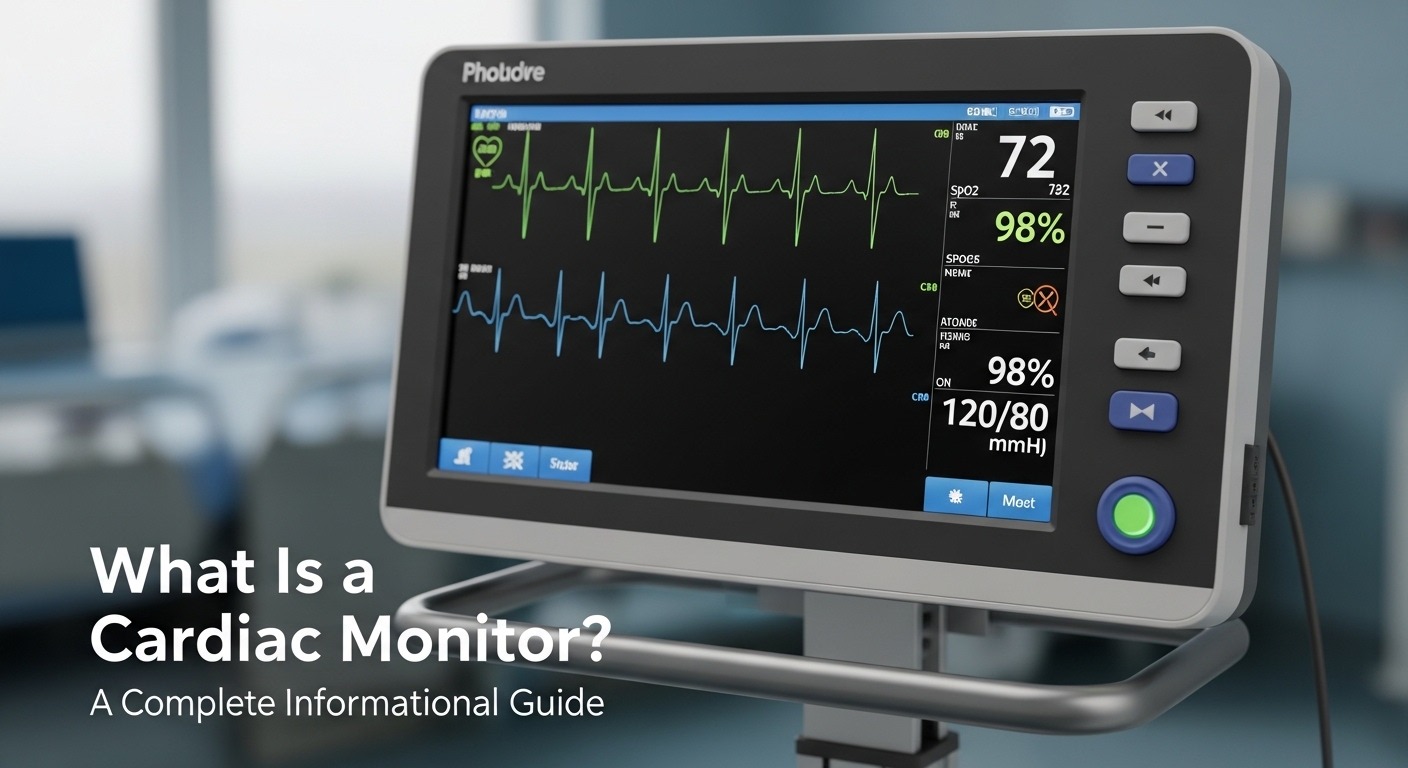
In modern healthcare, timely information can be the difference between rapid recovery and serious complications. Among the most critical tools used by medical professionals today is the cardiac monitor—a device designed to continuously observe the heart’s activity and alert caregivers to potential problems before they escalate. Whether in hospitals, clinics, ambulances, or home-care settings, cardiac monitoring has become an essential pillar of patient safety.
This comprehensive guide explains what a cardiac monitor is, how it works, its types, pricing insights in Pakistan, safety aspects, and who truly needs it—written in clear, human-friendly language.
Understanding the Cardiac Monitor
A cardiac monitor is a medical device that tracks and displays the electrical activity of the heart. It measures heart rate, rhythm, and sometimes additional parameters like oxygen saturation and blood pressure. Doctors and nurses rely on this real-time data to detect arrhythmias, cardiac arrest risks, or abnormal heart patterns.
Often referred to as a heart monitoring device or medical cardiac monitor, it plays a crucial role in emergency rooms, ICUs, operating theaters, and increasingly, in home patient care.
Why Is a Cardiac Monitor Used?
The heart does not always show warning signs before a serious event. Cardiac monitoring helps healthcare professionals:
- Detect irregular heartbeats (arrhythmias)
- Observe heart performance after surgery
- Monitor patients with heart disease
- Track vital signs in critical care units
- Ensure patient stability during anesthesia
In short, cardiac monitoring allows early intervention—sometimes saving lives.
When Is Cardiac Monitoring Required?
Cardiac monitoring is required in several situations, including:
- Patients admitted to ICU or CCU
- Individuals experiencing chest pain or shortness of breath
- Post-cardiac surgery recovery
- Severe infections, high fever, or electrolyte imbalance
- Patients with hypertension or known heart disease
It is also commonly used during emergency transport and long-term observation for high-risk individuals.
Is Cardiac Monitoring Safe?
Yes, cardiac monitoring is considered extremely safe. It is a non-invasive process in most cases, involving electrodes placed on the skin. These electrodes only record electrical signals—they do not send electricity into the body.
Long-term cardiac monitoring devices used at home are also safe when applied correctly under medical guidance.
Who Needs a Cardiac Monitor?
A cardiac monitor may be needed by:
- Heart patients with irregular rhythms
- Elderly individuals with chronic conditions
- ICU and post-operative patients
- People with uncontrolled blood pressure
- Patients under continuous nursing care
In Pakistan, the demand for cardiac monitoring has increased significantly due to rising awareness and better access to medical equipment.
Types of Cardiac Monitors
There are multiple types of cardiac monitors, each serving a specific medical purpose:
1. Bedside Patient Monitors
Used in hospitals and ICUs, these track heart rate, ECG, oxygen levels, and blood pressure.
2. Holter Monitors
Portable devices worn for 24–72 hours to record continuous heart activity.
3. Event Monitors
Activated by patients when they feel symptoms like dizziness or palpitations.
4. Telemetry Systems
Allow remote monitoring of heart activity within hospital wards.
5. Implantable Cardiac Monitors
Used for long-term monitoring in patients with unexplained fainting or arrhythmias.
Each type of cardiac monitor device is selected based on patient condition and monitoring duration.
Cardiac Monitor Price in Pakistan
The cardiac monitor price in Pakistan varies depending on brand, features, and monitoring capabilities.
- Basic bedside monitors: Mid-range pricing
- Advanced multiparameter monitors: Higher price range
- Portable and home-use monitors: Vary based on functionality
Similarly, the patient monitor price in Pakistan depends on whether it includes ECG, SpO₂, NIBP, and temperature monitoring. Buyers should always consider warranty, calibration, and after-sales support.
Medical equipment suppliers in Pakistan often provide flexible options for hospitals and home-care patients alike.
Cardiac Monitoring System for Home Care
With the growth of home patient care, cardiac monitoring systems are no longer limited to hospitals. Many families now use heart monitoring devices at home under professional nursing supervision.
This is especially helpful for:
- Elderly patients
- Post-surgery recovery
- Chronic hypertension management
Home-based cardiac monitoring improves comfort without compromising safety.
Nursing Care and Cardiac Monitoring
Cardiac monitors work best when combined with skilled nursing care. A proper nursing care plan ensures accurate readings and timely action.
Common nursing care plans include:
In Pakistan, professional nursing care plans are increasingly integrated with cardiac monitoring to provide holistic patient support.
Medical Equipment Access in Pakistan
Access to quality equipment is vital. Today, patients and caregivers can explore:
- Medical equipment online purchase in Pakistan
- Trusted medical equipment importers in Pakistan
- Verified medical equipment suppliers in Pakistan
From electric beds in Pakistan to cardiac monitors, availability has improved significantly. The electric bed price in Pakistan varies by motor type and functionality, making it easier to support cardiac patients at home.
Arika Ashley Services – Complete Patient Care Solutions
Arika Ashley is a trusted name in Pakistan’s healthcare support ecosystem, offering comprehensive patient-centered services. The company provides home patient care, professional home nursing nurse services in Karachi, and complete medical equipment solutions. Their services include cardiac monitoring support, customized nursing care plans, and assistance with sourcing medical equipment through reliable medical equipment suppliers in Pakistan. With a strong focus on patient comfort and safety, Arika Ashley ensures quality care through trained nurses and modern healthcare tools—making advanced cardiac monitoring accessible both at home and in clinical environments.
Final Thoughts
A cardiac monitor is far more than a medical device—it is a silent guardian that continuously watches over one of the body’s most vital organs. From hospitals to homes, from emergency care to long-term monitoring, cardiac monitoring systems have transformed modern healthcare.
As awareness grows in Pakistan, combining reliable cardiac monitors with professional nursing care and trusted service providers ensures better outcomes, peace of mind, and safer recovery for patients of all ages.